
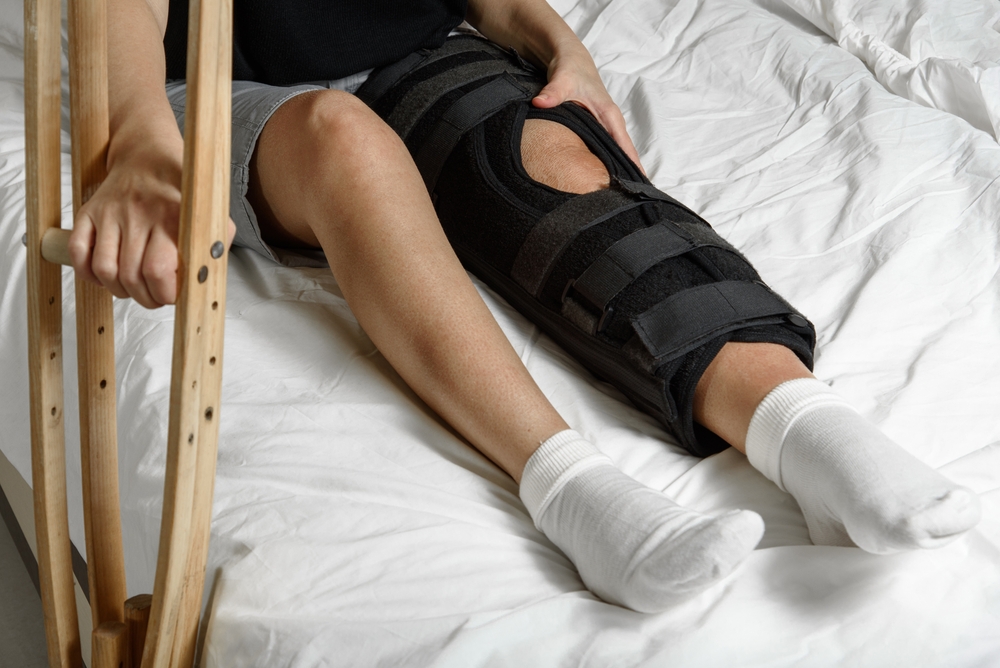
Physical Therapy After Surgery: What to Expect During Rehabilitation
August 20, 2026 6:21 pmRecovering from surgery often means adjusting to temporary limits in strength, mobility, balance, and everyday activities. For people in Calistoga, returning to normal routines may include everything from comfortably moving around the house to walking through town, working, exercising, or enjoying outdoor activities in the Napa Valley.
Physical therapy after surgery is designed to help you regain movement, strength, function, and confidence through a rehabilitation plan that reflects your procedure and recovery stage. Rehabilitation commonly progresses from protecting healing tissues and restoring basic movement to strengthening and returning to more demanding activities. Your exact timeline depends on your surgery, your surgeon’s instructions, and how your body responds.
What local patients should know
-
Post-surgical rehabilitation is typically progressive, with activities changing as healing advances and your abilities improve.
-
Your surgeon’s precautions and restrictions should guide what you can safely do during each phase of recovery.
-
Calistoga residents may have different functional goals, from managing household stairs to returning to work, recreation, or regular walks around the community.
-
Recovery is not always perfectly linear, so changes in soreness, swelling, or function should be discussed with the appropriate healthcare professional.
-
Consistent participation in prescribed exercises can be an important part of rebuilding function between therapy visits.
What Does Physical Therapy After Surgery Involve?
Physical therapy after surgery involves a structured rehabilitation process intended to restore safe movement and function while respecting the healing process. Depending on the procedure, therapy may address mobility, range of motion, strength, balance, walking, coordination, and the specific physical tasks you need for daily life in Calistoga.
Early rehabilitation may focus on basic movements and strategies for safely completing daily activities. As recovery progresses, exercises can become more challenging and more closely resemble the activities you want to return to.
Focus Forward Wellness & Physical Therapy works with patients pursuing rehabilitation and improved physical function. During post-surgical rehabilitation, we can focus therapy on the patient’s current abilities, recovery goals, and applicable medical guidance.
Why Does Post-Surgical Rehabilitation Matter in Calistoga?
Post-surgical rehabilitation matters in Calistoga because successful recovery involves more than healing at the surgical site. Patients also need enough mobility, strength, endurance, and confidence to manage the activities that are part of their everyday lives in northern Napa County.
Local routines can vary considerably. One person may want to return to a physically demanding job, while another may be focused on walking comfortably, navigating their home, gardening, or getting back to recreational activities. The terrain and active lifestyle opportunities throughout Napa Valley can also make balance, walking tolerance, and functional strength meaningful rehabilitation goals.
What Can Patients Expect During the First Physical Therapy Visit?
The first physical therapy visit generally establishes where you are in recovery and what needs attention next. Your therapist may review your surgical history, current restrictions, symptoms, mobility, strength, functional limitations, and personal goals before developing an appropriate rehabilitation approach.
What can be assessed depends on the surgery and your stage of healing. Your therapist may look at how you walk, how comfortably you perform certain movements, your available range of motion, and how your current limitations affect everyday tasks.
Bring any relevant post-operative instructions or restrictions provided by your surgeon. Those instructions can help guide rehabilitation safely.
What Are Common Rehabilitation Priorities After Surgery?
Common rehabilitation priorities after surgery include protecting healing tissues, restoring appropriate movement, rebuilding strength, and gradually returning to daily activities. The order and pace of these priorities depend on the procedure and the medical restrictions that apply to your recovery.
A patient early in recovery may need to focus primarily on safe mobility. Later, treatment may place greater emphasis on strength, balance, endurance, coordination, or task-specific movement.
For Calistoga patients, functional goals might eventually include walking farther, getting up and down stairs, returning to work, safely navigating uneven outdoor surfaces, or resuming recreational activities around Napa Valley.
What Warning Signs Should You Pay Attention to During Recovery?
Warning signs during post-surgical recovery include symptoms that are new, severe, rapidly worsening, or inconsistent with the guidance you received from your surgical team. Physical therapists can help monitor rehabilitation, but concerns about surgical complications require appropriate medical evaluation.
Contact your surgeon or healthcare provider as directed if you experience concerns such as:
-
Increasing redness, warmth, drainage, or other concerning changes around the surgical area
-
Significant or rapidly increasing swelling
-
Pain that suddenly becomes much worse or differs substantially from your expected recovery symptoms
-
Fever or other signs of illness
-
New numbness, weakness, or significant changes in function
-
Difficulty breathing or chest pain, which warrants urgent medical attention
-
A sudden inability to perform movements you had previously been able to complete
Your surgeon’s discharge instructions should remain the primary source for procedure-specific warning signs and restrictions.
When Should You Work With a Physical Therapist After Surgery?
You should begin post-surgical physical therapy according to the timing recommended by your surgeon or healthcare team. Some procedures allow rehabilitation to start relatively early, while others require greater protection before certain movements, exercises, or weight-bearing activities are appropriate.
Patients in Calistoga should avoid using another person’s recovery timeline as their own. Even two people who underwent similar procedures can receive different precautions based on their medical circumstances.
Safe activities at home may include the movements or exercises specifically approved for you. DIY rehabilitation should stop when it conflicts with medical restrictions, causes concerning symptoms, or involves progressing exercises without appropriate guidance.
What Factors Can Affect the Pace of Post-Surgical Recovery?
The pace of post-surgical recovery is influenced by the type of procedure, healing requirements, medical precautions, your starting level of function, and how you respond to rehabilitation. Recovery should therefore be measured against your individual progress rather than someone else’s experience.
Several factors can shape rehabilitation:
-
The surgical procedure: Different tissues and procedures have different healing requirements.
-
Post-operative restrictions: Weight-bearing or movement precautions can determine which activities are appropriate.
-
Pre-surgery function: Your mobility and strength before surgery can influence early rehabilitation needs.
-
Daily activity demands: Returning to desk work may require different preparation than returning to physically demanding work.
-
Personal goals: Walking around Calistoga, working, gardening, exercising, and navigating Napa Valley’s outdoor environments can require different functional abilities.
How Can You Support Your Recovery Between Physical Therapy Visits?
You can support recovery by following your prescribed rehabilitation plan, respecting surgical precautions, and communicating changes in your symptoms or function. Consistency matters, but doing more than recommended is not necessarily better during tissue healing.
Complete home exercises according to the instructions provided by your healthcare team. Avoid independently increasing resistance, repetitions, walking distances, or movement ranges simply because an activity feels manageable on a particular day.
For local residents, it can also help to think practically about the environment at home. Identify stairs, uneven surfaces, low seating, or other everyday challenges that may need to be addressed during rehabilitation.
What Results Can You Expect From Post-Surgical Physical Therapy?
You can expect post-surgical physical therapy to focus on measurable improvements in the movements and activities affected by your surgery, although the degree and timing of improvement vary by patient. Progress may include better mobility, increased strength, improved balance, greater activity tolerance, or more independence with everyday tasks.
Rehabilitation milestones should reflect your procedure and goals. Someone hoping to comfortably complete routine errands in Calistoga may have different milestones than someone preparing to return to demanding work or recreation.
Physical therapy cannot guarantee a particular recovery timeline or outcome. Your response to surgery, healing process, medical history, and adherence to applicable precautions all influence progress.
What Mistakes Can Slow or Complicate Rehabilitation?
Common rehabilitation mistakes include progressing too quickly, ignoring restrictions, becoming unnecessarily inactive, and comparing your recovery with someone else’s. A better approach is to follow individualized medical and rehabilitation guidance while reporting meaningful changes in symptoms.
Mistake: Doing too much too soon.
Consequence: Increasing activity beyond your current rehabilitation stage can aggravate symptoms or conflict with healing precautions.
Better approach: Progress exercises and activities according to professional guidance.
Mistake: Avoiding movement because you are worried about discomfort.
Consequence: Unnecessary inactivity may make it harder to rebuild function.
Better approach: Learn which movements are appropriate and which are restricted.
Mistake: Comparing timelines.
Consequence: Another patient’s progress may create unrealistic expectations.
Better approach: Focus on your own functional milestones.
Mistake: Returning immediately to demanding Napa Valley activities.
Consequence: Hiking, strenuous yardwork, physical jobs, and other challenging activities may exceed your current capacity.
Better approach: Build the required strength and tolerance progressively.
What Is a Common Post-Surgical Rehabilitation Scenario in Calistoga?
A common local scenario is a patient who can manage basic movement after surgery but is not yet ready for the full demands of everyday life. Walking short distances indoors, for example, does not necessarily mean someone is prepared for longer community outings, uneven surfaces, work duties, or recreational activity.
This is not a specific patient case. It illustrates why rehabilitation often progresses from basic function toward increasingly realistic tasks.
For a Calistoga resident, later rehabilitation might address the strength, balance, mobility, or endurance required to move confidently through the community and return to activities throughout Napa County.
What Physical Therapy Services Can Support Recovery After Surgery?
Post-surgical physical therapy can support recovery through individualized assessment, therapeutic exercise, movement training, strength development, balance work, and functional rehabilitation as appropriate. The exact services used should reflect the surgical procedure, medical guidance, current limitations, and goals.
At our practice, the emphasis can shift as your recovery progresses. Early priorities may differ substantially from what you work on later, when returning to normal activities becomes the focus.
How Does Guided Rehabilitation Compare With Recovering on Your Own?
Guided rehabilitation provides professional assessment and structured progression, while recovering entirely on your own can make it harder to determine when and how activities should advance. The appropriate choice depends on your procedure and medical team’s recommendations, but prescribed physical therapy should be followed when it is part of your recovery plan.
Home exercises are often an important component of rehabilitation. The distinction is that a professionally guided program can be adjusted based on your progress, current function, precautions, and goals.
For patients returning to active routines around Calistoga and the upper Napa Valley, rehabilitation can also prepare for the specific demands they expect to encounter outside the clinic.
Where Can Local Patients Seek Post-Surgical Rehabilitation?
Local patients seeking post-surgical rehabilitation can look for physical therapy services that are convenient for their recovery needs and able to work within applicable medical guidance. Focus Forward Wellness & Physical Therapy serves patients in Calistoga, California.
Patients from nearby parts of Napa County or communities such as St. Helena may also consider location, travel tolerance, and appointment logistics when planning rehabilitation after surgery.
What Can Happen If Rehabilitation Is Delayed or Incomplete?
Delayed or incomplete rehabilitation may make it more difficult to address ongoing limitations in mobility, strength, balance, endurance, or everyday function. Whether a delay is problematic depends on the procedure, healing stage, and surgeon’s recommendations, since some surgeries intentionally require periods of protection.
If you are uncertain whether you should have started therapy already, contact your surgeon or healthcare provider rather than guessing. Getting clear guidance can help you avoid both unnecessary inactivity and premature activity.
Frequently Asked Questions About Physical Therapy After Surgery
How soon after surgery should I start physical therapy in Calistoga?
The appropriate start date depends on your surgery and your surgeon’s instructions. Some rehabilitation begins soon after a procedure, while other recoveries require a period of protection first. Calistoga patients should follow their medical team’s timeline rather than starting exercises based on a generic post-surgery schedule.
Is pain normal during post-surgical physical therapy?
Some discomfort can occur as you regain movement and strength, but severe, unusual, or rapidly worsening pain should not simply be ignored. Your therapist can help you distinguish expected exercise responses from symptoms that need additional attention, while your surgeon should be contacted about concerns involving the surgical recovery itself.
How long does post-surgical physical therapy take?
Post-surgical physical therapy can last for very different lengths of time depending on the procedure, healing requirements, functional goals, and individual progress. Instead of expecting a universal timeline, patients in Calistoga can focus on milestones such as mobility, strength, balance, walking tolerance, work capacity, and return to desired activities.
Can I do my rehabilitation exercises at home?
Yes, prescribed home exercises are often part of rehabilitation, but they should be performed according to the instructions provided by your healthcare team. Exercises that are appropriate at one stage may not be appropriate at another. Avoid independently adding resistance, repetitions, or new movements that could conflict with post-operative precautions.
Can physical therapy help me return to outdoor activities in Napa Valley?
Physical therapy can help address the physical abilities required for outdoor activities when returning to them is medically appropriate. Depending on your goals, rehabilitation may work on strength, mobility, balance, endurance, and movement control before you resume more demanding terrain or recreation around Calistoga and the wider Napa Valley.
What should I bring to my first post-surgical physical therapy appointment?
Bring relevant medical information and any post-operative instructions or restrictions your surgeon provided. You should also be prepared to discuss your symptoms, current abilities, medications when relevant to care, and the activities you hope to resume. Comfortable clothing that permits appropriate movement assessment may also be useful.
What if my recovery seems slower than expected?
A slower recovery does not automatically mean something is wrong because healing and rehabilitation timelines vary. Discuss your progress with your therapist and surgical team rather than comparing yourself with another patient. New, worsening, or concerning symptoms should be reported promptly according to the instructions provided by your healthcare professionals.
Can physical therapy prepare me to return to work in Napa County?
Physical therapy can address functional abilities related to work when those activities are appropriate for your recovery stage. Depending on your occupation, rehabilitation may focus on walking, standing tolerance, lifting mechanics, strength, balance, or other job-related movements before you resume more demanding duties in Napa County.
Move Forward With Your Recovery in Calistoga
Post-surgical rehabilitation should help you progress from healing and basic movement toward the activities that matter in everyday life. A thoughtful plan respects your medical restrictions while building the mobility, strength, and function needed for your goals.
Build Strength and Confidence for Your Next Step
We can help you work toward practical rehabilitation goals with a plan shaped around your current abilities and recovery needs.
Categorised in: Physical Therapy
This post was written by admin